

Adding an outdoor structure is an exciting way to enhance your property value and lifestyle. Whether you envision a cozy wooden retreat or a sturdy metal shelter for your vehicle, planning is key.
However, failing to check local regulations can lead to fines or the forced removal of your new addition. This guide explores when you need a permit and how to ensure your project stays compliant with local building codes.
Decoding the Different Types of Permits for Outdoor Projects
Homeowners often find the term permit confusing because it actually encompasses several distinct types of approvals. Understanding which one applies to your project is the first step toward a successful installation. Building departments generally categorize structures based on their permanence, size, and potential impact on public safety.
Building Permits versus Zoning Permits
A building permit focuses on structural integrity and safety. It ensures the gazebo or carport is strong enough to withstand wind, snow, and seismic activity in your specific region. In contrast, a zoning permit deals with land use. This covers where the structure is placed on your lot, ensuring it does not infringe on setbacks or violate easements. Even if your structure is small enough to bypass a building permit, you almost always need to comply with zoning regulations regarding property lines.
Electrical and Plumbing Permits
If you plan to install ceiling fans, decorative lighting, or an outdoor kitchen within your structure, a standard building permit is not sufficient. These utilities require specialized permits to ensure the wiring or piping meets modern safety codes. Failing to secure these can result in denied insurance claims if an electrical fire or leak occurs in the future.
Do You Need a Permit for a Gazebo in Your Backyard?
The necessity of a permit for a gazebo depends largely on its square footage and how it is anchored. In most United States municipalities, the magic number is 120 square feet. Structures smaller than this footprint are often classified as temporary or minor accessory buildings and do not require a formal building permit.
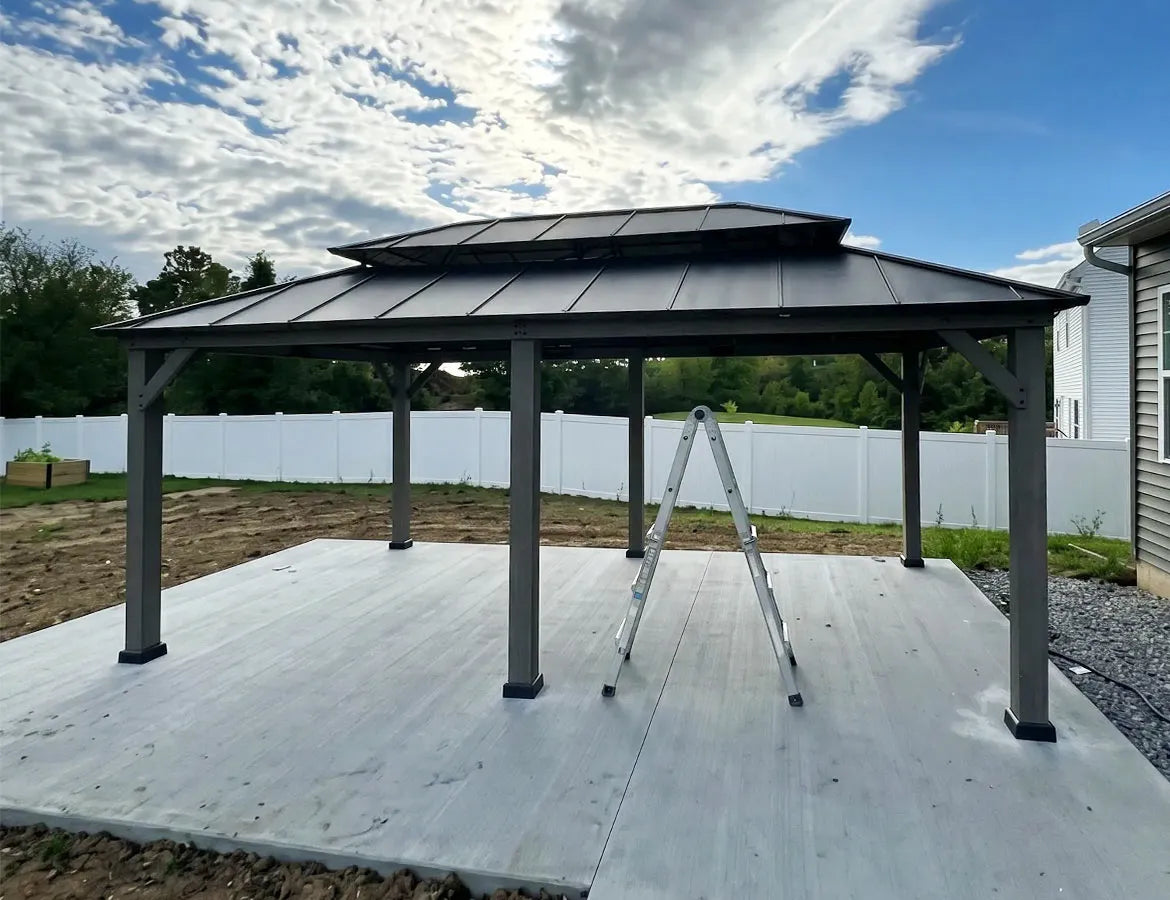
However, once you exceed this size, the structure is viewed as a permanent addition to the property. For example, the SUNJOY 13x11 Wood Hardtop Gazebo covers approximately 143 square feet, which typically places it in the permit-required category for most urban areas. Beyond size, local laws often consider the height of the structure. If the peak of the gazebo exceeds 10 or 12 feet, it might trigger a permit requirement regardless of the total floor area.
Determining if You Need a Permit for a Pergola
Pergolas occupy a legal gray area because of their open-roof design. Many building departments do not classify them as traditional buildings because they do not have a solid surface that collects heavy snow or creates significant wind resistance. If you install a freestanding pergola in the middle of your yard, you have a higher chance of being exempt from building permits.
The situation changes drastically if the pergola is attached to your home. Any structure that shares a ledger board with your house is legally considered an addition. This requires a permit to ensure the house wall can support the extra weight.
For those looking for a versatile freestanding option, the SUNJOY 10x12 Modern Metal Pergola Kit provides a stable and stylish solution that often fits within the exempt dimensions for detached backyard structures in many counties.
Do I Need a Permit for a Carport or Large Shelter?
Carports are treated with more scrutiny than decorative garden structures. Because they are often placed near the front of a home or in a driveway, they affect the streetscape and visibility for neighbors. Most cities require a permit for any carport because it is considered a vehicle shelter, which carries different fire safety and structural standards.
Distance from the property line is the most common reason for permit denial with carports. Most zoning codes require a 5-foot or 10-foot setback from the side and rear property lines.
A large unit like the SUNJOY 12x20 Metal Carport Gazebo requires careful placement to avoid violating these setback rules. Since this model covers 240 square feet, it is almost certain to require both building and zoning approval in any suburban environment.
Critical Factors That Influence Permit Approval
Aside from the dimensions of the structure, several environmental and legal factors will influence whether you can legally proceed with your project. It is always better to research these variables before you make a purchase.
Wind and Snow Load Requirements
If you live in a coastal area or a region with heavy winters, the building department will check the load ratings of your structure. They want to verify that the roof will not collapse under heavy snow or lift off during a storm.
Historical Districts and HOA Restrictions
Properties located in designated historical districts face much stricter oversight. You may need approval from a historical board regarding the materials and colors used for your gazebo or pergola. Similarly, a Homeowners Association has the power to ban certain structures entirely. Written HOA approval is often a prerequisite for the city to issue a municipal permit.
How to Navigate the Application Process
Starting the permit process begins with a visit to your local town hall or their official website. You will need to provide a plot plan, which is a simple map of your property showing the house, existing structures, and the proposed location of the new gazebo or carport. You must mark the distances to the nearest property lines clearly on this map.
After submitting your application and paying the required fees, the review period can take anywhere from a few days to several weeks. Once the permit is approved and displayed on your property, you can begin the assembly. A final inspection is usually required after completion to ensure the structure is properly anchored to a concrete pad or suitable foundation.
Following these steps ensures your new outdoor space is safe, legal, and ready for years of enjoyment.
Leave a comment
All comments are moderated before being published.
This site is protected by hCaptcha and the hCaptcha Privacy Policy and Terms of Service apply.